Book · 2566
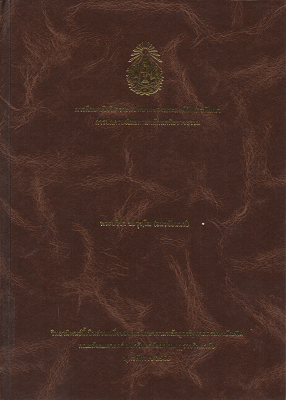
การศึกษาเชิงวิเคราะห์บทบาทของพระสงฆ์กับการพัฒนาการปกครองไทยตามหลักทศพิธราชธรรม = An analytical study of the role of monks and the developmen of Thai government according to the principle of Tosaphitharathamma
พระปรีชา ชยวุฑฺโฒ (อมรชัยนนท์)
1 of 1 copy availableหอสมุดกลาง ชั้น 4 · วท 294.3186 ป467ก 2566
Copies in the library
| Location | Call number | Status |
|---|---|---|
| หอสมุดกลาง ชั้น 4 | วท 294.3186 ป467ก 2566 | Available |
About this title
- Title
- การศึกษาเชิงวิเคราะห์บทบาทของพระสงฆ์กับการพัฒนาการปกครองไทยตามหลักทศพิธราชธรรม = An analytical study of the role of monks and the developmen of Thai government according to the principle of Tosaphitharathamma
- Author
- พระปรีชา ชยวุฑฺโฒ (อมรชัยนนท์)
- Published
- นครปฐม : มหาวิทยาลัยมหามกุฏราชวิทยาลัย, 2566
- Language
- Thai
- Notes
- วิทยานิพนธ์นี้ มีวัตถุประสงค์เพื่อ 1) เพื่อศึกษาบทบาทของพระสงฆ์ที่เกี่ยวกับการปกครองในสมัยพุทธกาลมาจนถึงปัจจุบัน 2) เพื่อศึกษาการปกครองไทย 3) เพื่อวิเคราะห์บทบาทของพระสงฆ์กับการพัฒนาการปกครองไทยในยุคปัจจุบันตามหลักทศพิธราชธรรม งานวิจัยนี้เป็นการศึกษาวิจัยเชิงเอกสาร ผลการวิจัยพบว่า 1. บทบาทของพระสงฆ์ที่เกี่ยวกับการปกครองที่ดีนั้น ต้องเป็นไปตามระเบียบมติของกฎมหาเถรสมาคมและคณะสงฆ์ตามพระธรรมวินัย บทบาทของพระสงฆ์ที่เกี่ยวกับการปกครองนั้นจะต้องมีธรรมนูญเป็นกฎหมายสูงสุด คือ มีพระธรรมพระวินัยเป็นหลัก และปกครองกันด้วยหลักความเสมอภาค หลักเสรีภาพ หลักความเป็นธรรม อำนาจในการตัดสินเป็นของส่วนรวม 2. แนวคิดทางการปกครองแบบธรรมราชาและเทวราชา ถูกนำมาปรับใช้ตั้งแต่ช่วงปลายสมัยสุโขทัยสู่สมัยอยุธยา กรุงธนบุรี และกรุงรัตนโกสินทร์เรื่อยมา ความคิดทางการเมืองทั้งสองนี้ ได้ถูกนำมาปรับใช้ให้เข้ากับระบอบประชาธิปไตยของไทยในยุคปัจจุบัน จนกระทั่งอุดมการณ์ทางการเมืองทั้งสองแบบ ได้กลายเป็นวัฒนธรรมทางการเมืองไทย ซึ่งได้รับการถ่ายทอดปลูกฝังทั้งทางตรงและทางอ้อมสืบต่อกันมา จนกระทั่งบุคคลยอมรับและยึดถือเป็นแนวทางในการปฏิบัติทางการเมืองของสังคมไทย 3. บทบาทของพระสงฆ์กับการพัฒนาการปกครองไทยในยุคปัจจุบันตามหลักทศพิธราชธรรม ปรากฏออกมาในรูปแบบของหลักธรรมคําสอน ที่ต้องการให้ผู้นำ นักปกครอง นักบริหาร นักการเมือง ผู้ที่อยู่ภายใต้การบังคับบัญชา และประชาชนทั่วไป ได้ใช้หลักทศพิธราชธรรม 10 ประการ เพื่อพัฒนาตนเองทั้งทางกาย ทางวาจา และทางใจ The objective of this thesis was : 1) To study the roles of the monks in the administration of the Buddha era until the present, 2) To study the Thai government, and 3) To analyze the roles of the monks and the development of Thai government in modern times according to the Dasaphitharajdhamma principles. This research is a documented research study. The results showed that 1. The role of the monks in relation to good governance must be in accordance with the rules and regulations of the Sangha according to the Discipline. The role of the monks in government must have a statute as the supreme law, that is, the Dhamma Vinaya as the core and governed by the principles of equality, liberty and fairness. The decision-making power belongs to the public. 2. Concepts of Dhammaracha and Devaracha It was adapted from the end of the Sukhothai period to the Ayutthaya period, Thonburi and Rattanakosin periods. These two political ideas Has been adapted to suit the democratic system of Thailand in the modern era. until both political ideologies has become a political culture in Thailand Which has been transmitted, cultivated both directly and indirectly inherited from each other Until the person accepts and adheres to as a guideline for the political practice of Thai society. 3. The role of monks and the development of Thai government in the modern era according to the Dasaphitharajdhamma principles manifested in the form of doctrines who want leaders, rulers, executives, politicians, those under their command and general public. He used ten principles of Dasaphitha Rajadhamma to develop himself physically, verbally and mentally.