หนังสือ · 2565
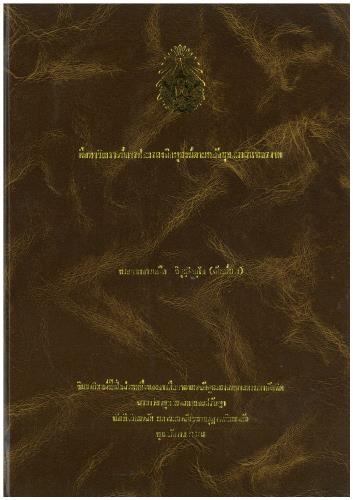
ศึกษาวิเคราะห์การปกครองภิกษุสงฆ์ตามหลักพุทธศาสนาเถรวาท = Analytical Study of Monks’ Administration According to Theravada Buddhism
พระมหาดาวเครือ วิสุทธิธมฺโม (จันทร์ยวง)
ว่าง 1 จาก 1 เล่มหอสมุดกลาง · วท 294.3186 ด436ศ 2565
ตัวเล่มในห้องสมุด
| สถานที่ | เลขเรียก | สถานะ |
|---|---|---|
| หอสมุดกลาง | วท 294.3186 ด436ศ 2565 | ว่าง |
รายละเอียด
- ชื่อเรื่อง
- ศึกษาวิเคราะห์การปกครองภิกษุสงฆ์ตามหลักพุทธศาสนาเถรวาท = Analytical Study of Monks’ Administration According to Theravada Buddhism
- ผู้แต่ง
- พระมหาดาวเครือ วิสุทธิธมฺโม (จันทร์ยวง)
- พิมพ์ที่
- นครปฐม : มหาวิทยาลัยมหามกุฏราชวิทยาลัย, 2565
- ภาษา
- ไทย
- หมายเหตุ
- วิทยานิพนธ์นี้ มีวัตถุประสงค์ดังนี้ 1. เพื่อศึกษาแนวคิดการปกครองภิกษุสงฆ์ตามหลักพุทธศาสนาเถรวาท 2. เพื่อศึกษาพุทธบัญญัติในการปกครองภิกษุสงฆ์ตามหลักพุทธศาสนาเถรวาท 3. เพื่อวิเคราะห์คุณค่าในการปกครองภิกษุสงฆ์ตามหลักศาสนาเถรวาท งานวิจัยนี้เป็นการศึกษาเชิงวิเคราะห์ วิจัยเอกสาร แหล่งข้อมูลที่ใช้ในการวิจัย ได้แก่ พระไตรปิฎก เอกสารอื่น ๆ และงานวิจัยที่เกี่ยวข้อง ผลการวิจัยพบว่า: 1. แนวคิดการปกครองภิกษุสงฆ์ตามหลักพุทธศาสนาเถรวาท เป็นการปกครองตามแนวทางของพระพุทธเจ้าในพุทธกาลนั้น พระพุทธเจ้าทรงใช้วิธีในการปกครองคณะสงฆ์ในรูปแบบธรรมาธิปไตย และการใช้หลักประชาธิปไตยในการปกครอง การปกครองคณะสงฆ์ในสมัยพระพุทธกาล รูปแบบยังไม่ชัดเจนเพราะเป็นการปกครองโดยพระพุทธเจ้า และสาวกที่เข้ามาสู่พระพุทธศาสนาส่วนมากเป็นพระอริยบุคคล มีคุณธรรมสูงการปกครองจึงไม่มีปัญหาอะไร 2. พุทธบัญญัติในการปกครองภิกษุสงฆ์ตามหลักพุทธศาสนาเถรวาท พบว่าการศึกษาในยุคแรก ๆ ส่วนมากมุ่งไปที่การเผยแผ่พระศาสนาเป็นหลัก ภายหลังเมื่อมีมหาชนเข้ามาบวชในพระพุทธศาสนามากขึ้นพระพุทธเจ้าจึงกระจายอำนาจให้คณะสงฆ์ปกครองกันเอง โดยให้ผู้ที่มีอายุการพรรษามากที่สุดเป็นประธานในอาวาสนั้นๆ รวมถึงการปกครองคณะสงไทยตั้งแต่ยุคสุโขทัยจนถึงยุคปัจจุบัน 3.คุณค่าในการปกครองภิกษุสงฆ์ตามหลักศาสนาเถรวาท ทำให้ได้ทราบแนวคิดการปกครองของพระพุทธในสมัยพุทธกาล ทำให้ทราบหลักที่พระพุทธเจ้าใช้ในการปกครองคณะสงฆ์ ทำให้ทราบถึงแนวคิดวิธีแก้ไขปัญหาเมื่อเกิดเหตุการณ์หรือปัญหาขึ้นในคณะสงฆ์ ซึ่งจะนำไปสู่การศึกษา และเป็นแนวทางการปกครองให้กับพุทธศาสนิกชนและคนทั่วไปและนำหลักธรรมเหล่านี้มาใช้ในการดำเนินชีวิต The objectives of this thesis were as follows; 1) study concept of monks' administration according to Theravada Buddhism, 2) to study Buddhist discipline in monks’ administration according to Theravada Buddhism, and 3) to analyze value of monks' administration according to Theravada principle. This research was an analytical document study that applied data sources of research from the Tipitaka, other documents and related researches. The results of research were found that: 1. The concept of monks’ administration according to Theravada Buddhism was the way of administration of the Buddha in his time. The Buddha used the forms of Dhammadhipatai and democracy as means monks’ administration. The form of monks’ administration in the Buddha's time was still uncertain as it was ruled by the Buddha. Moreover, most of disciples who entered Buddhism were noble people with high morality, so there was no problem in their administration. 2. Buddhist commands in monks’ administration according to Theravada Buddhism were found that most of the early education focused mainly on the propagation of the Buddha’s teaching. Later, when more people came to be ordained in Buddhism, the Buddha then gave authority to the monks to administrate the order by themselves by appointing the oldest and noblest person the head of that certain temple which included the administration of Thai Buddhist monks from the Sukhothai period to the present time. 3. The value of monks’ administration according to Theravada Buddhism made known the concept of the Buddha's administration in the Buddha's time, the principles that the Buddha used to administrate the monks and the idea of solving problems when an incident or problem occurred to the monks. This would lead to education and become guideline of governing for Buddhists and general people to apply these Buddhist principles in their lives.