
หนังสือ · 2022
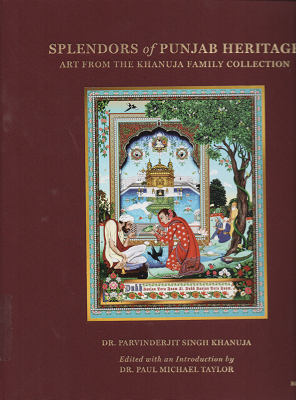
Splendors of Punjab heritage : art from the Khanuja family collection
Parvinderjit Singh Khanuja · 1st ed.
ว่าง 1 จาก 1 เล่มหนังสือทั่วไป ชั้น 3 · 709.0954 P276S 2022
ตัวเล่มในห้องสมุด
| สถานที่ | เลขเรียก | สถานะ |
|---|---|---|
| หนังสือทั่วไป ชั้น 3 | 709.0954 P276S 2022 | ว่าง |
รายละเอียด
- ชื่อเรื่อง
- Splendors of Punjab heritage : art from the Khanuja family collection
- ผู้แต่ง
- Parvinderjit Singh Khanuja
- ครั้งที่พิมพ์
- 1st ed.
- พิมพ์ที่
- New Delhi : Roli Books, 2022
- ภาษา
- อังกฤษ
- ISBN
- 9789392130168
- หมายเหตุ
- This volume compiles in a succinct and visually compelling way a lasting record of the remarkable collection of Punjabi artworks and historical memorabilia representing the cultural history of the Punjab, assembled by Dr. Parvinderjit Singh Khanuja and his family. Dr. Khanuja has added here his personal perspectives on the historical importance and the meaningfulness of these objects, through essays accompanying the images and captions compiled in each of the chapters. The range of the collection is vast, reflecting the depth and variety of Punjabi artistic achievements -- collectively forming a catalog of value to many fields, presenting well-described objects arranged not in chronological order, but rather in the form of pictorial essays on selected highly iconic themes in the tangible and intangible cultural history of the Punjab. Four of the chapters are on highly prized artistic media or types of material (textiles, coins, weapons and related elements of the Sikh martial tradition, illustrations and photography), while one chapter compiles images of Sikh Gurdwaras (temples). Others compile a range of artistic expressions from the Khanuja Family Collection about key aspects of (or personages in) the history and philosophy of Sikhism and the Sikh polity in the Punjab through time (the Gurus, Banda Singh Bahadur and the Misl Period; Maharaja Ranjit Singh and the later Sikh Empire; and the Princely States of the Punjab). A concluding chapter brings together examples from this collection that, according to the collector Dr. Khanuja, express the concept of "Panjabiyat" which he explores in another essay expressing his personal sense of this very indigenous concept about the characteristics of Punjabi people. In every thematic group, the wide-ranging and well-selected collection cataloged here is thus accompanied by an essay expressing the collector's perspective. The resulting catalog or sourcebook of Punjabi history and art that we present here, drawn from the Khanuja Family Collection, is a unique and significant compilation that will be useful to scholars in many fields. It is beautifully illustrated, systematic, and replete with detailed information about each of the objects -- yet not at all like a typical museum catalog of a public or private collection. It is "systematic" in its careful illustration and identification of the objects, primarily giving voice to the honest and inspiring views of the collector, allowing readers to join the Khanuja family in their enthusiastic retracing of Punjabi cultural history and the Sikh ethos through the tour they provide of objects in their collection